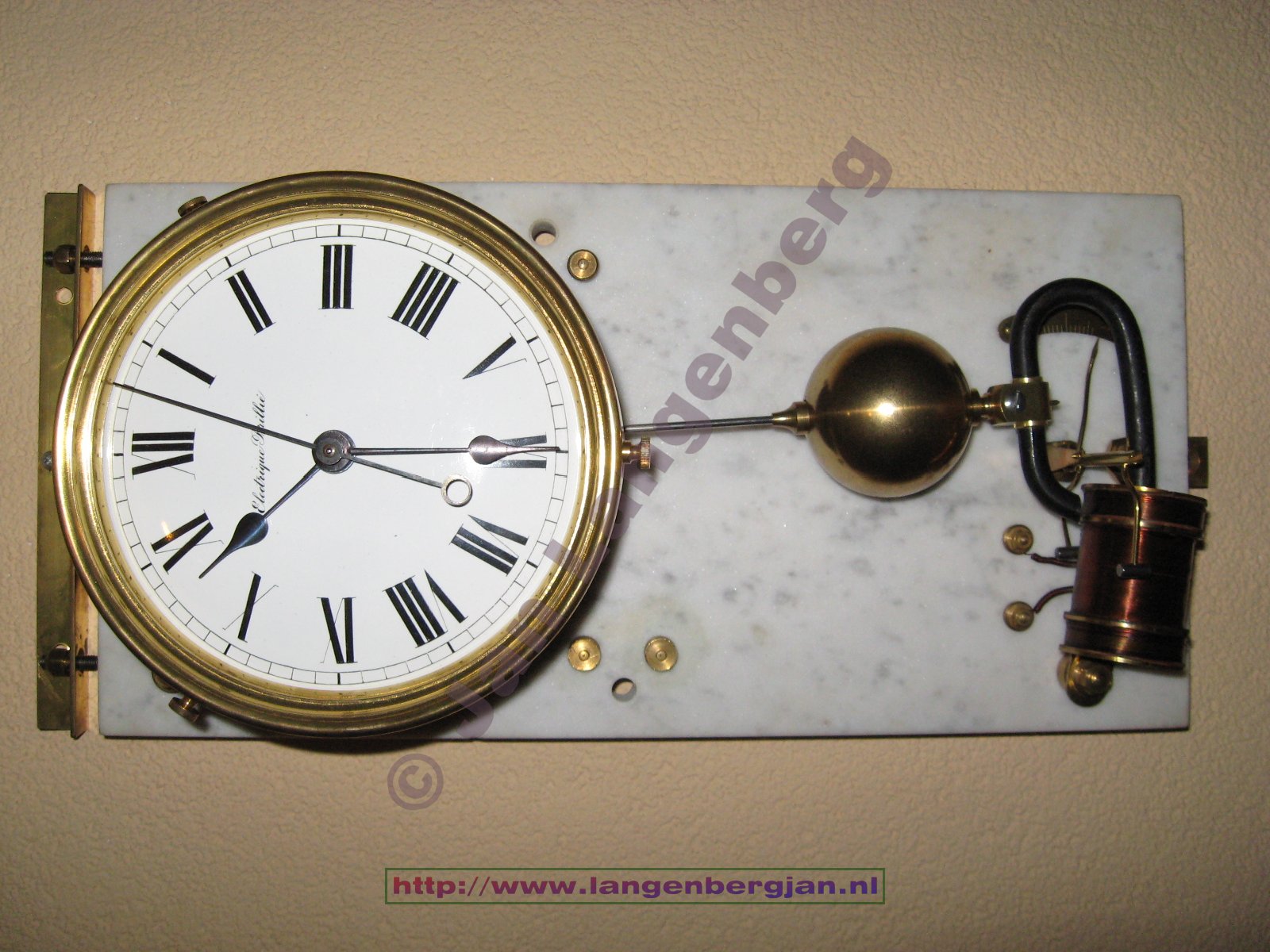
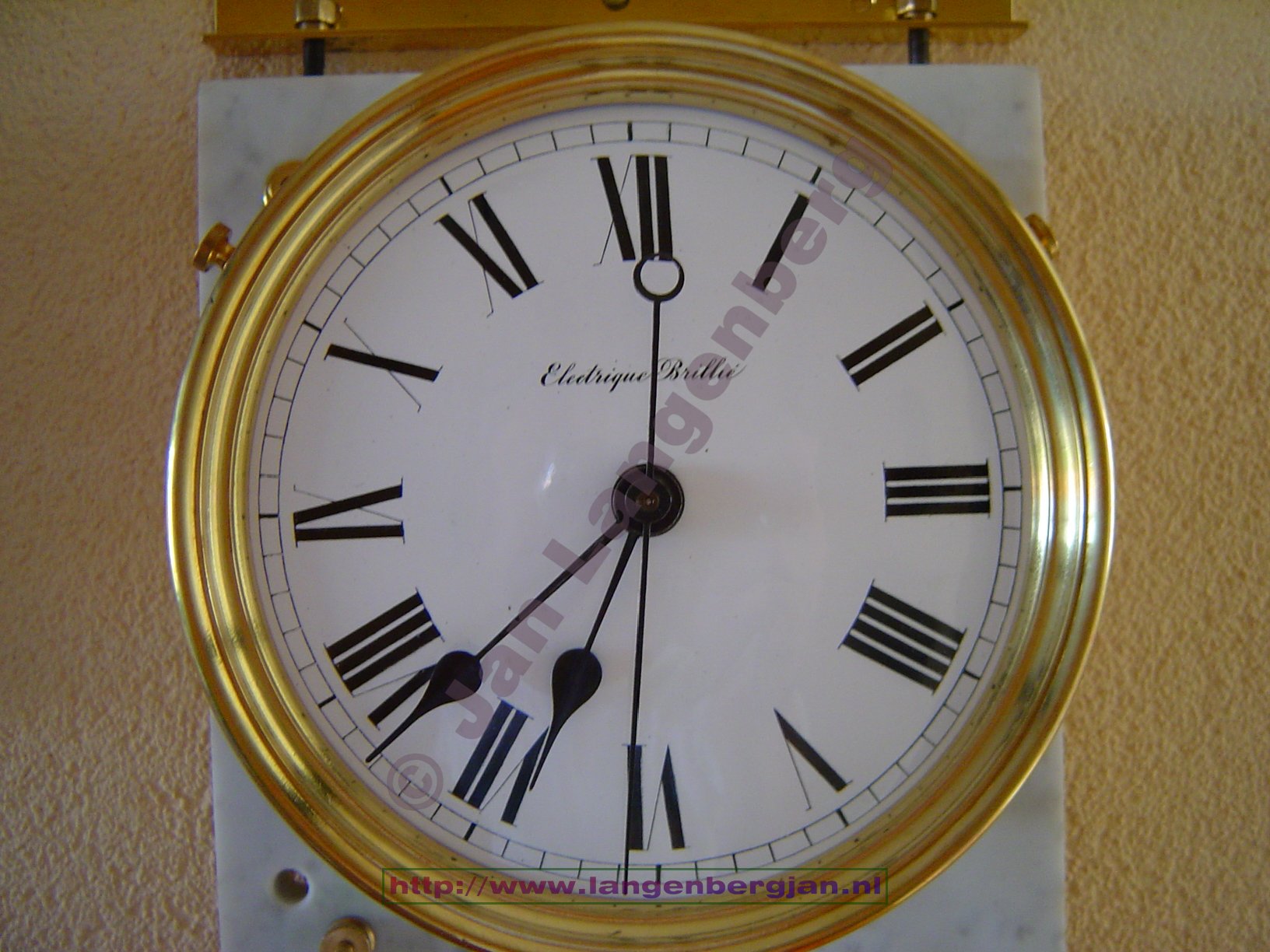
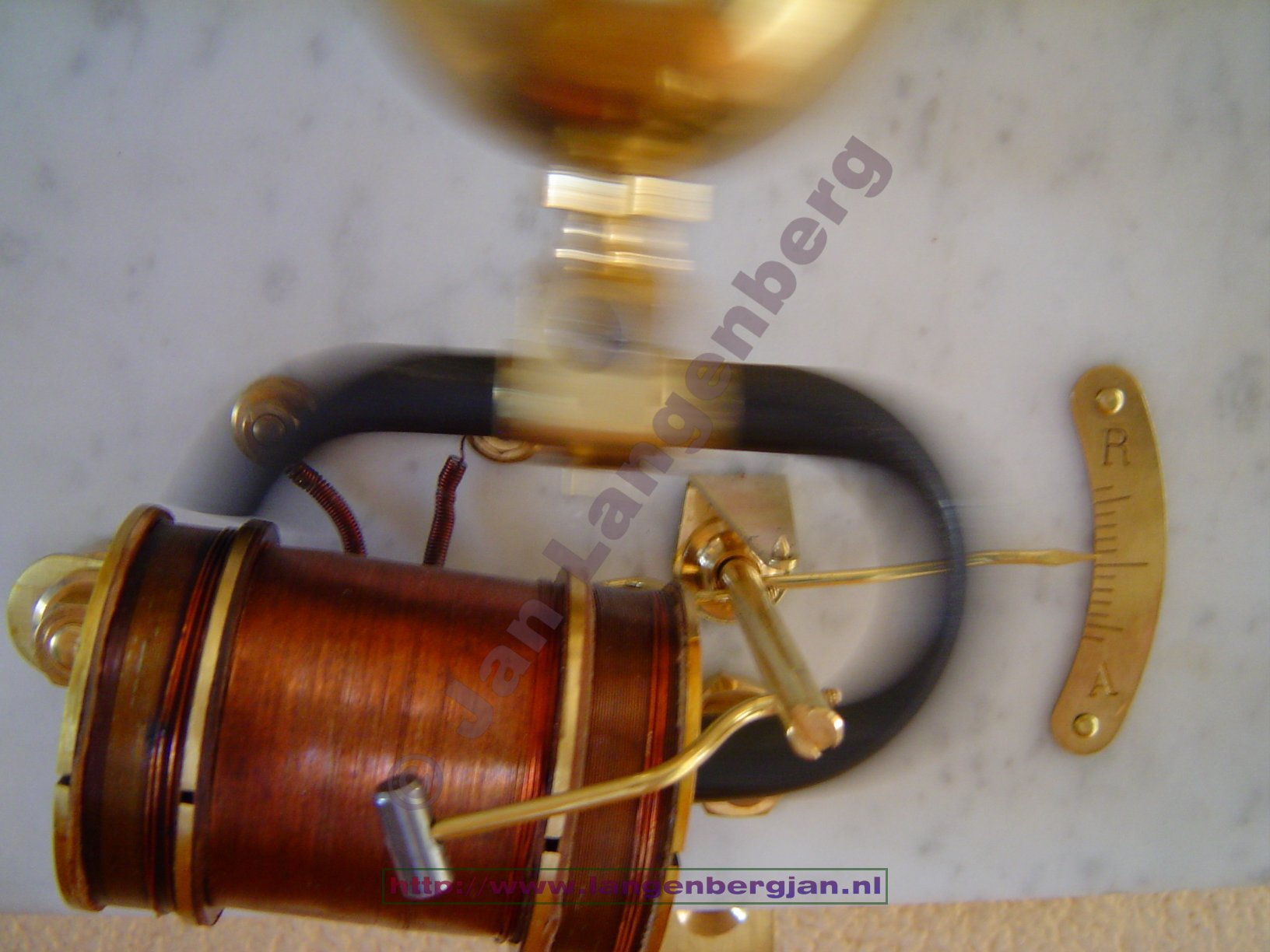
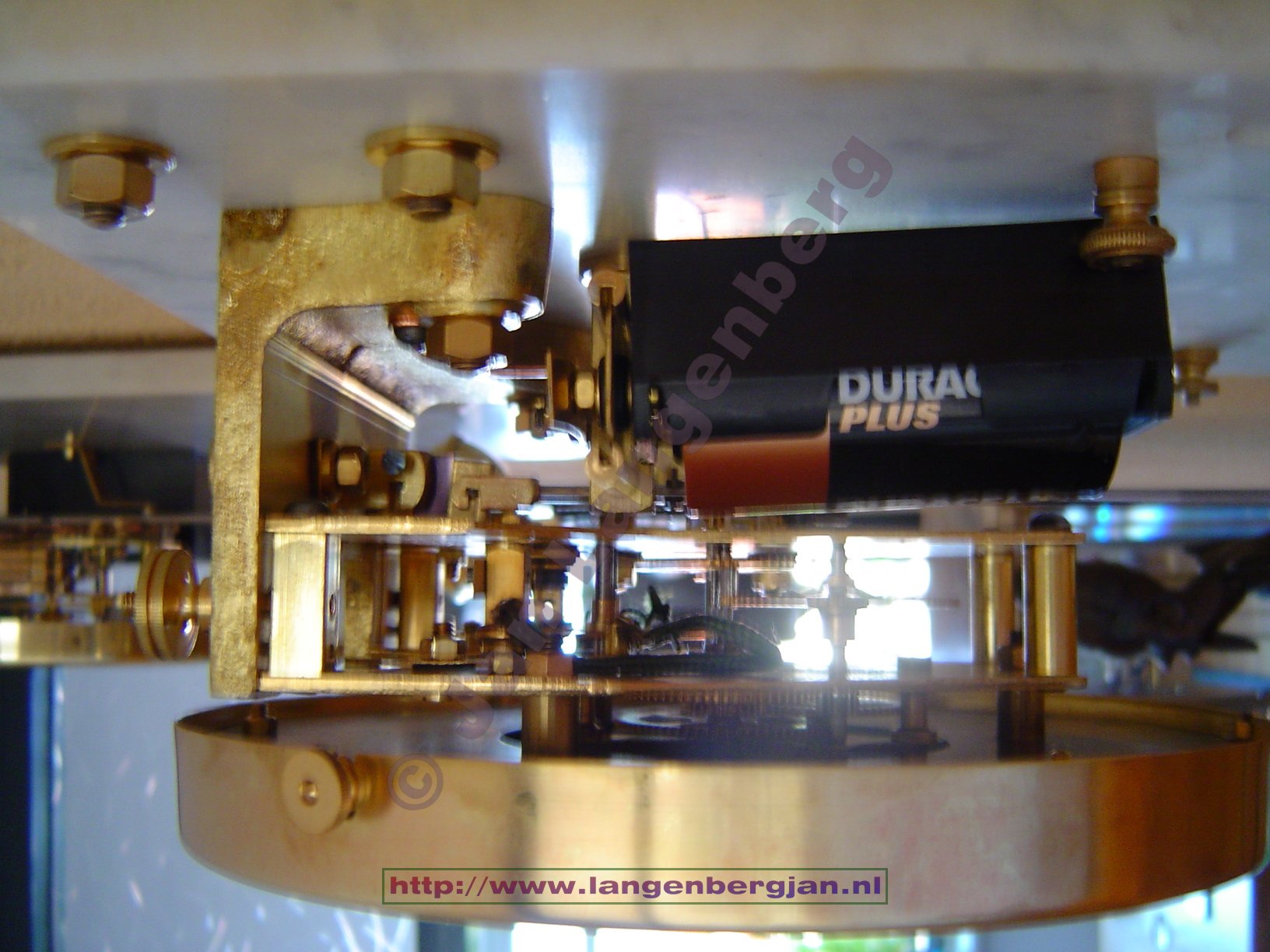
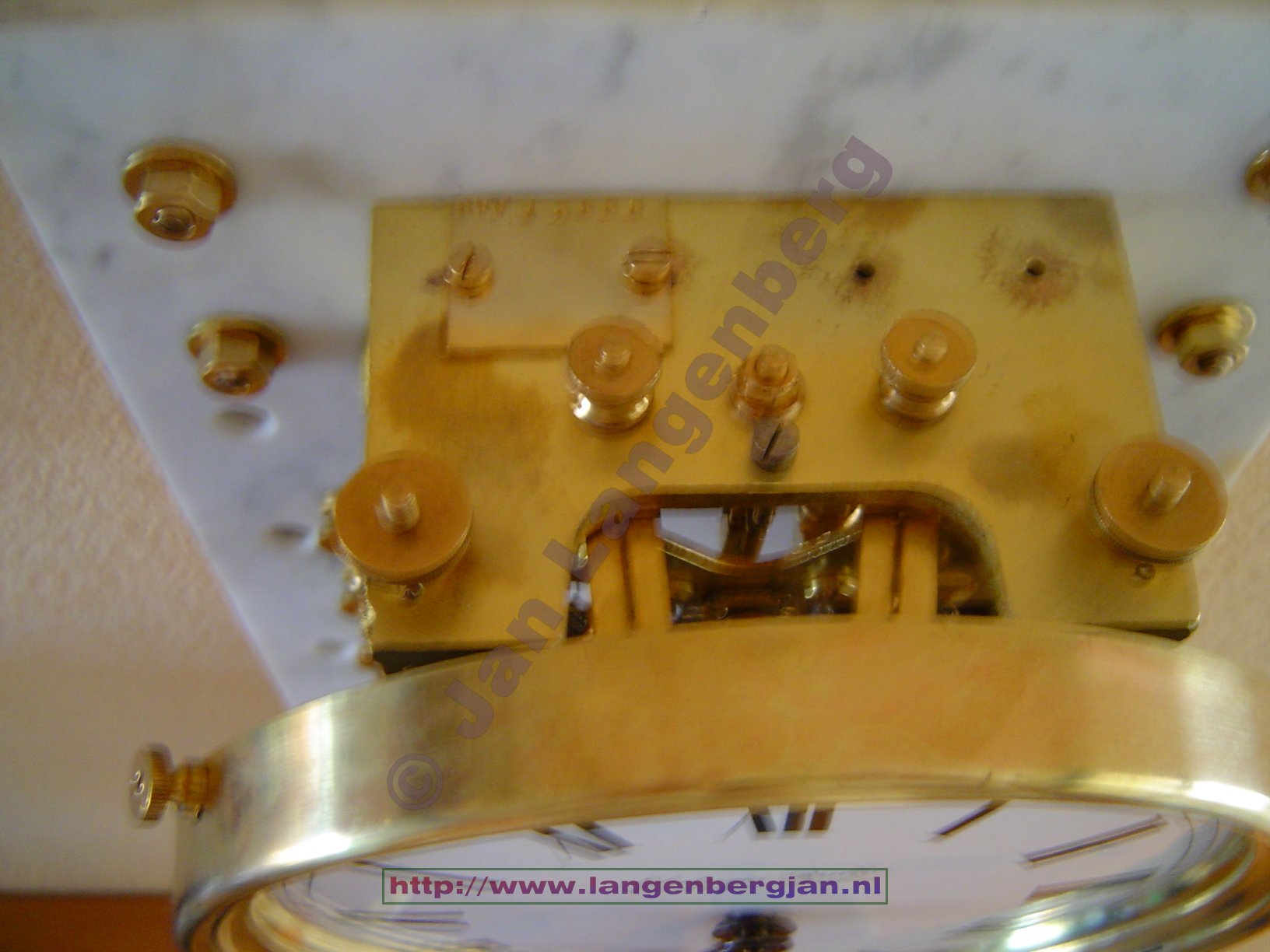
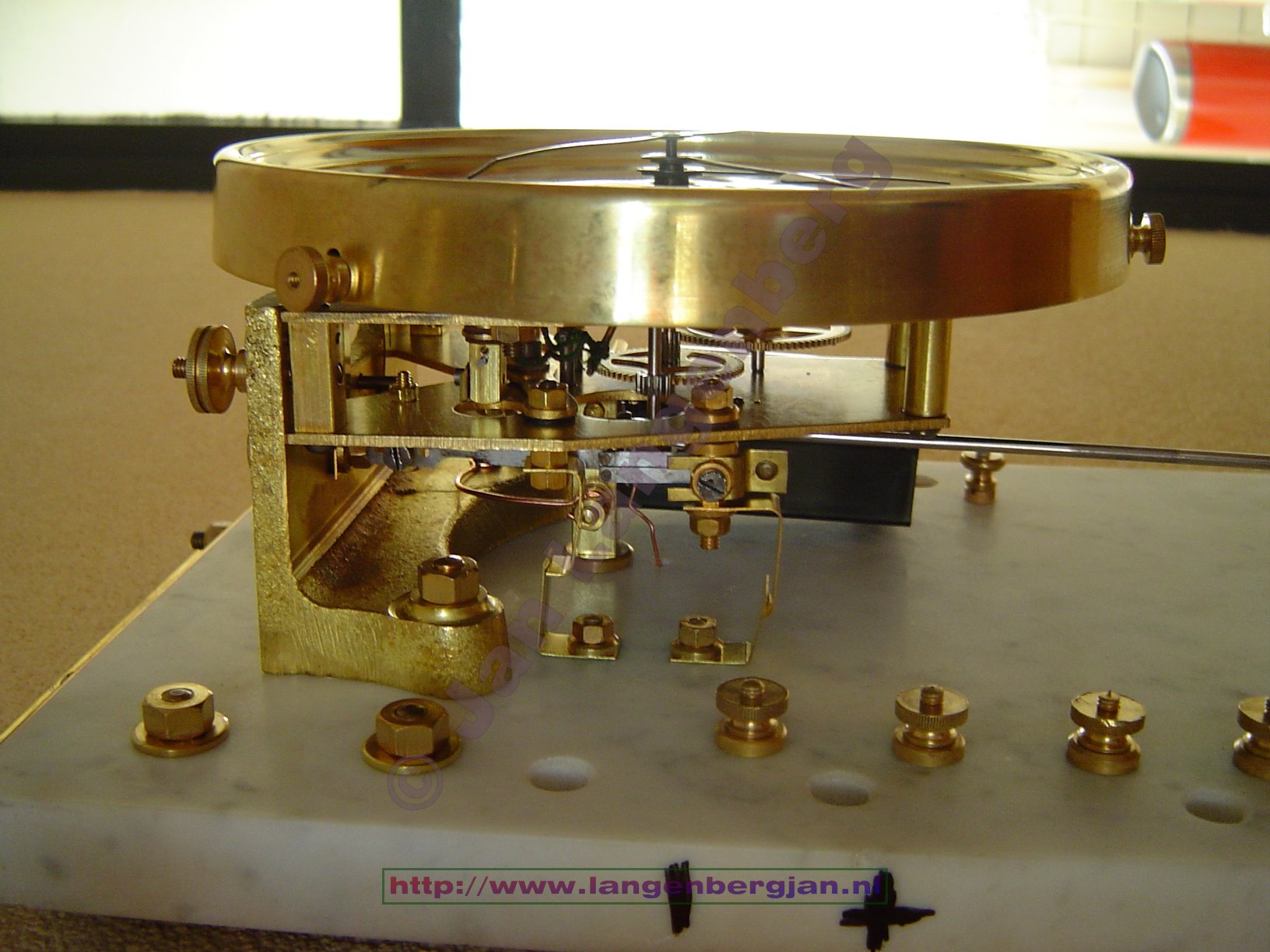
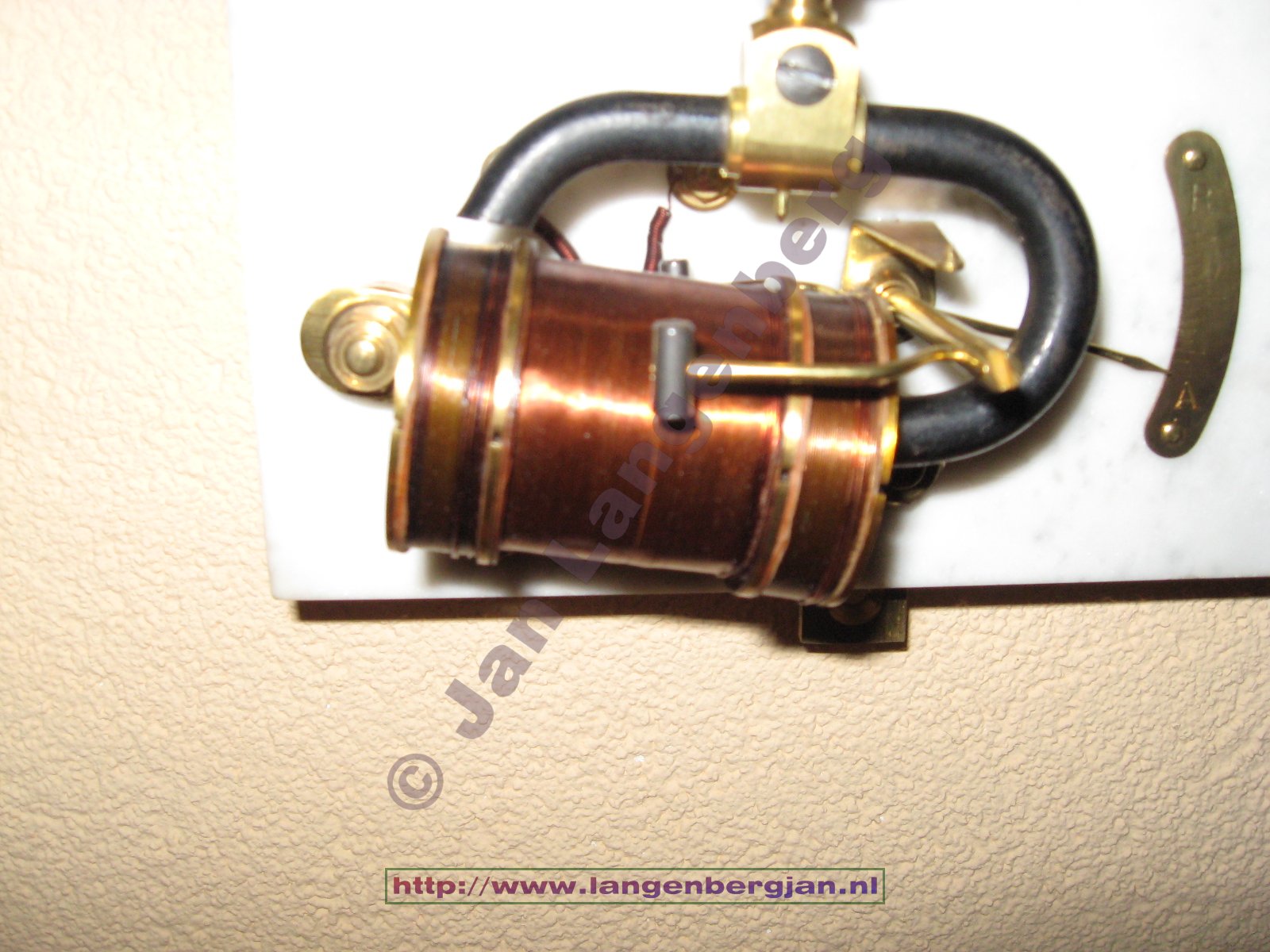
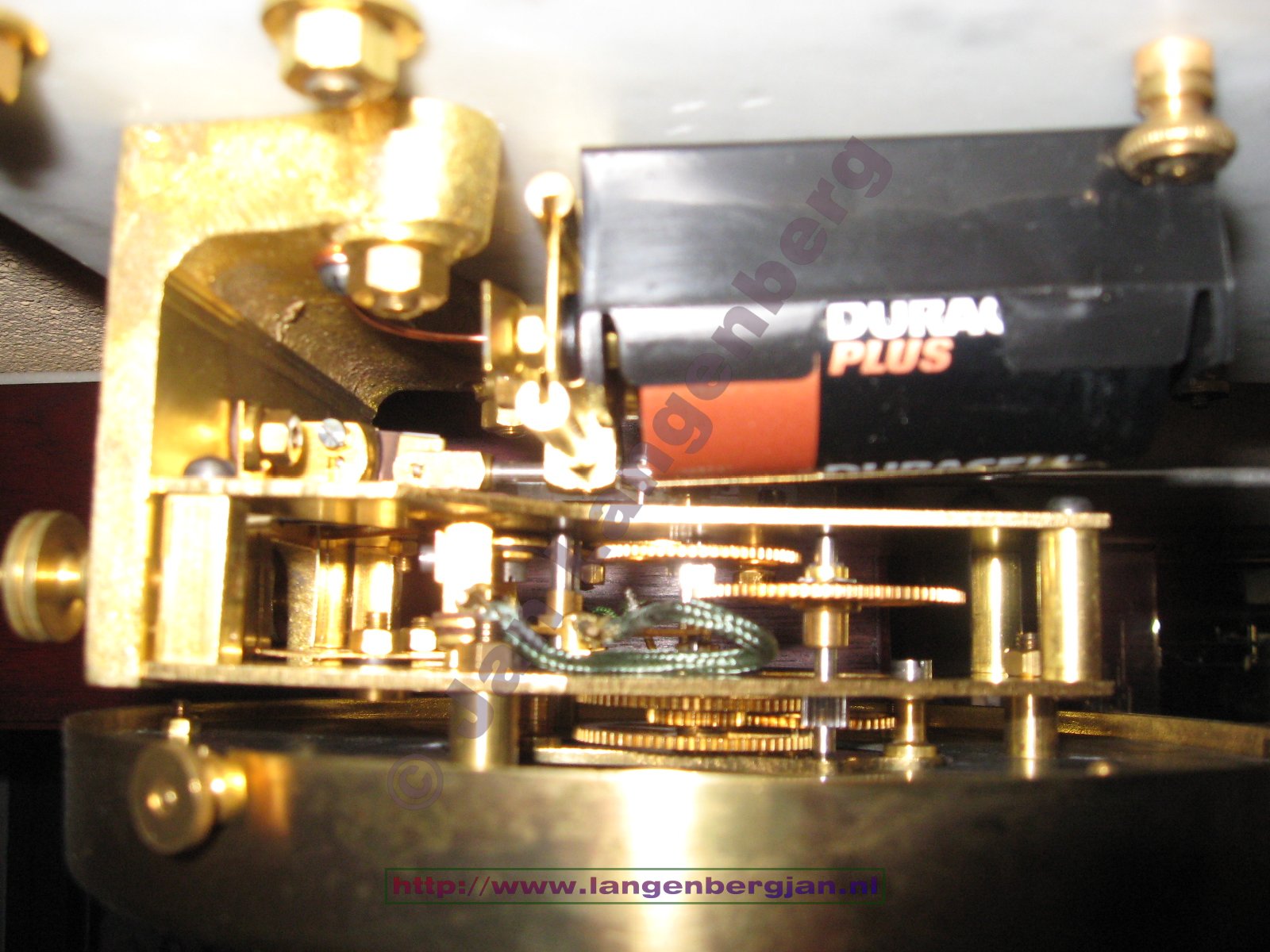
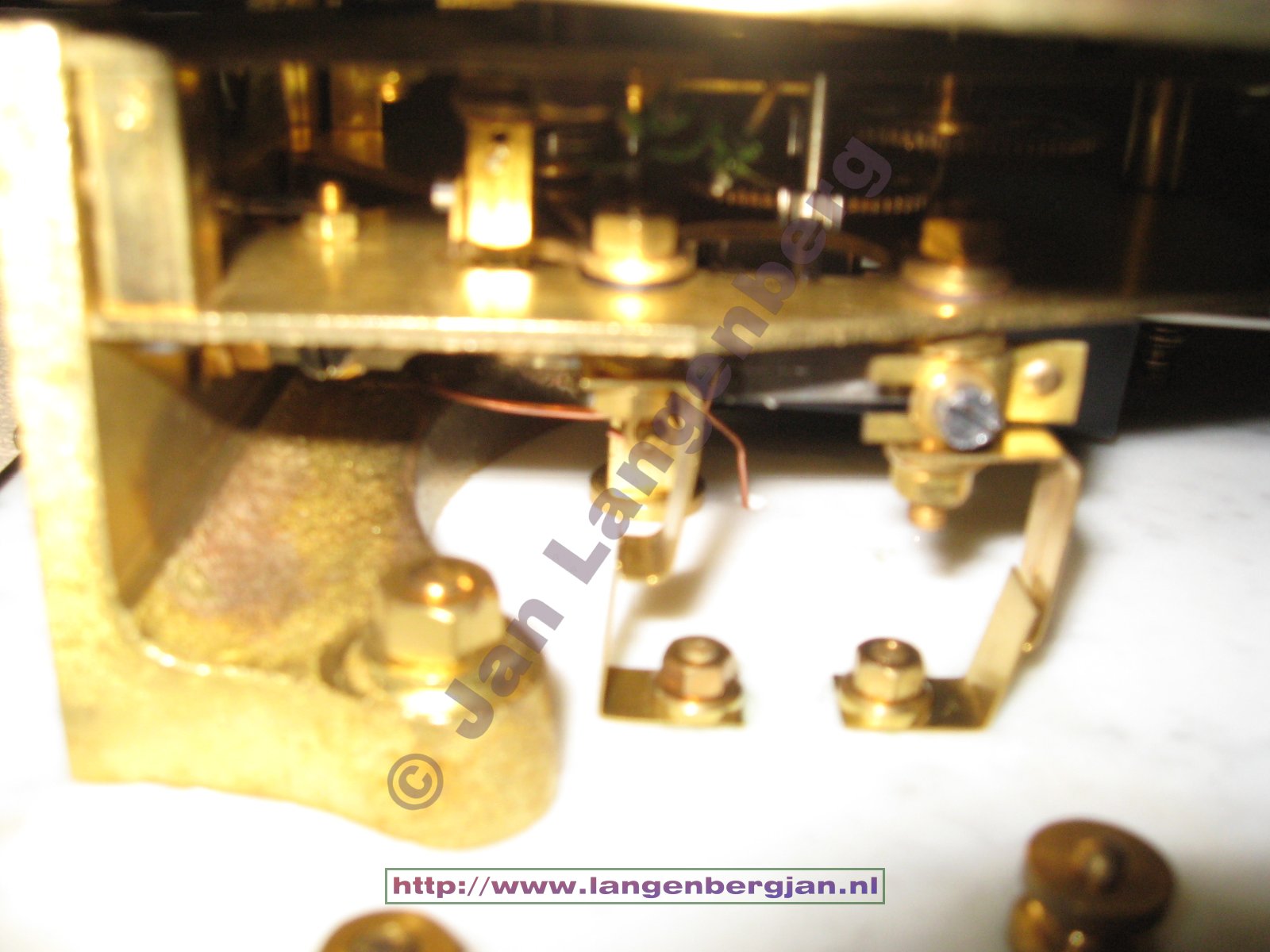
Some photo's of an antique Brillie masterclock from my clock collection
⭐ Antique Master and Slave Clocks – Brillié System (c. 1920)
The Brillié master and slave clock system is one of the most iconic examples of early 20th-century
electrical timekeeping.
Produced around the 1920s, these clocks combined mechanical precision with
pioneering electrical synchronization technology. Brillié, a respected French manufacturer, specialized
in highly accurate pendulum clocks capable of controlling multiple secondary or “slave” clocks
throughout a building or complex.
A master clock generated a regular electrical impulse—typically every 30 or 60
seconds—sending the signal through wired circuits to one or more slave clocks (synchronised wall
clocks). Each slave clock advanced its hands in perfect unison with the master unit, forming a complete
central time system for factories, schools, railway stations, offices and government buildings. This
ensured that every room and workspace displayed exactly the same time, an important innovation long
before digital networks existed.
The Brillié master clocks of this era are known for their elegant case design,
precision pendulum, and
robust electrical contacts. Many models featured a mercury or invar pendulum, reducing
temperature-related variations and significantly improving accuracy. The internal movement, often marked
with the Brillié signature plates, reflects the company’s reputation for high-quality craftsmanship and
meticulous engineering.
Collectors value Brillié systems not only for their technical sophistication but also
for their
historical significance. These clocks represent a crucial period in the development of synchronized
timekeeping, bridging the gap between purely mechanical clocks and modern electronic control systems.
The distinctive combination of wood or metal housings, visible electrical components and finely built
movements makes Brillié master clocks highly desirable display pieces.
On this page you will find an authentic 1920s Brillié master clock along with its
associated slave
clocks. Each item is documented with detailed photographs, descriptions and key specifications. This set
provides an exceptional example of early electrical synchronization technology and remains an important
artifact for enthusiasts, collectors and museums with an interest in industrial timekeeping history.