Electric Master and Slave Clocks Collection and vintage timeswitches
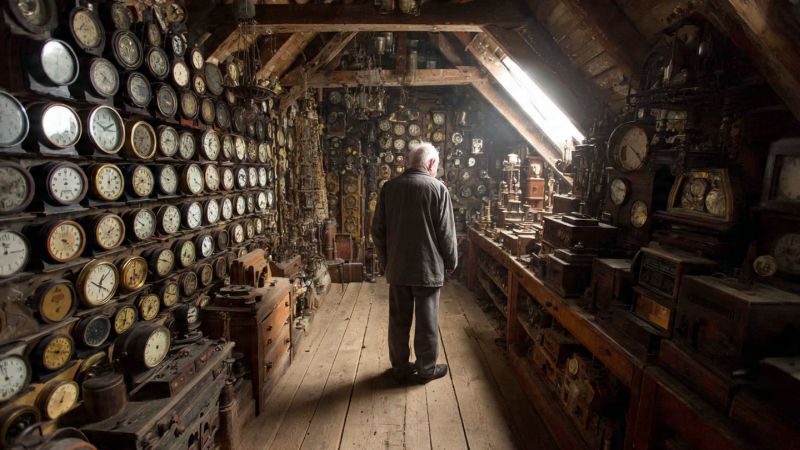
Welcome to my collection of industrial and electric timekeeping. This section is dedicated to the technical marvels of the 20th century: Electric Master Clocks and Automatic Time Switches. These precision instruments were once the heartbeat of factories, railways, and public buildings, synchronizing time across vast networks.
In this gallery, you can explore detailed photos and technical specifications of prominent makers like Brillie, Lepaute, Favag, and Bürk. From early mercury switches to complex master-slave systems, each piece in my private collection has been preserved to showcase our horological heritage. Use the links below to view high-resolution scans and documentation for each specific model.
Here are some photo's from my collection of all kind of clocks:
- Electric master clocks and slave clocks / Hauptuhr und Nebenuhr.
- Time switches / Zeitschalters und Schaltuhren.
- kWh Electricity meters / Drehstrom zählers.
- Time recorders / kontrolluhren.
Master and slave clock systems
are early electro-mechanical timekeeping networks designed to
provide perfectly synchronized time throughout a building or complex.
The master clock served as the central
controller, producing a
regular electrical pulse—typically every 30 or 60 seconds—while each slave clock responded to that signal by
advancing its hands in exact alignment. This ensured that every room, hallway or workspace displayed the same
time,
long before electronic or digital systems existed.
These synchronized clock systems were widely used from the early 20th century in factories, railway stations,
schools, government buildings, workshops and offices. A typical setup featured a high-precision pendulum or
motor-driven master unit combined with a series of wall-mounted secondary clocks. The engineering behind these
systems varied by manufacturer, but all relied on a combination of mechanical accuracy and simple, reliable
electrical impulses.
Collectors and horology enthusiasts value master and slave clocks for their technical ingenuity, historical
importance and distinctive industrial design. Many models feature beautifully crafted mechanisms, visible
electrical
contacts and elegant wooden or metal housings. Well-known makers include Brillié, Gents, Pragotron, Westerstrand,
IBM/ITR, Siemens, and several others.
Today, these systems remain fascinating artifacts from the era when synchronized timekeeping was still a
mechanical
art supported by early electrical innovation. Master and slave clocks continue to be appreciated in private
collections, museums and restoration projects, preserving an important chapter in the history of precision time
control.
Old kWh Electricity Meters - Historical Power Measurement Instruments
Old kWh electricity meters were used to measure the amount of electrical energy consumed in homes, businesses and
industrial installations. These mechanical meters played a crucial role in the early electrification of Europe,
providing accurate readings for billing and monitoring power usage. Most vintage kWh meters feature a rotating
aluminum disc, precise mechanical counters and durable metal or bakelite housings.
Collectors and technical enthusiasts appreciate these historical electricity meters for their craftsmanship,
reliability and unique industrial design. Many of the older models were built to last for decades, with
high-quality
internal components that still function today. Their serial numbers, manufacturer plates and calibration seals
provide interesting insights into their production period and former use.
This page presents a selection of original antique kWh meters from various decades and manufacturers. Each meter
is
carefully documented with photos, specifications and condition notes. These authentic devices are perfect for
collectors of electrical history, museum exhibitions, educational purposes or decorative industrial displays. They
represent an important chapter in the development of electrical measurement technology.
Antique Time Switches- Vintage Electrical Time Control Devices
Antique time switches are early electrical devices designed to automatically switch lights, appliances or
industrial
equipment on and off at fixed times.
These mechanical time controllers were widely used in factories, workshops,
shops, farms and households before the arrival of digital timers. Most models operated with a rotating clock
mechanism and adjustable pins or cams that allowed the user to set daily or weekly switching cycles.
Collectors value these vintage time switches for their robust engineering, precision mechanics and historical
importance in the development of automated electrical control. Many units were built with metal housings,
high-quality gears and clear indicator dials, which makes them ideal for technical collections, museum displays or
restoration projects.
On this page you will find several original antique time switches from different manufacturers and periods. Each
device is photographed in detail and described with its key technical specifications, condition and any markings.
These historic time switches offer a fascinating look into the evolution of electrical automation and remain
highly
appreciated by collectors of vintage industrial technology.
Antique time recorders
A, also known as punch clocks or time clocks, are early
mechanical devices used to record employee working hours. These machines were widely used in factories, workshops,
offices and industrial sites from the early 1900s onward.
By inserting a time card into the machine, workers
would
“punch in” and “punch out”, creating an accurate printed record of attendance and working times.
Many manufacturers produced highly reliable and beautifully engineered time recorders, combining wooden or metal
housings with precise clock movements and sturdy stamping mechanisms. Well-known brands include Gledhill-Brook,
Simplex, Seiko, International Time Recording (IBM), Cincinnati Time Recorder, and others.
Collecting antique punch clocks is popular among enthusiasts of early industrial technology. Their craftsmanship,
mechanical sound, and visible internal mechanisms make them fascinating display pieces and important artifacts of
workplace history.
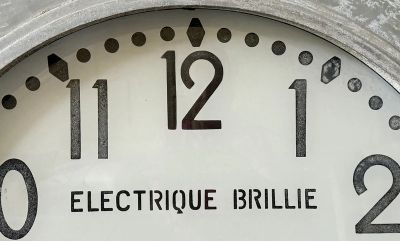
The master clocks, time switches and time recorders:
-
AEG
AEG - Schaltuhr / Time switch
-
AEG ltg - Schaltuhr / Time switch

-
AEG slg - Schaltuhr / Time switch

-
AS France mercury
AS France - Schaltuhr / Time switch
-
Benzing kontrolluhr - timerecorder
Benzing kontrolluhr - timerecorder
-
Big Dutchman Automatic poultry feeder / time switch
Big Dutchman - Automatic poultry feeder / time switch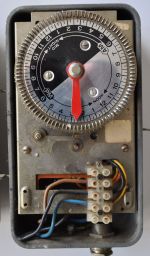
-
Brillie pendule electrique
Brillie masterclock - pendule electrique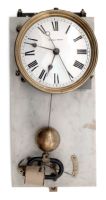
-
Bulle - Hauptuhr / masterclock
-
Bürk - Hauptuhr / masterclock
-
IBM Masterclock - movie on my Youtube channel
-
Industrie_Ab_Reflex Spanga Sweden - time
switch
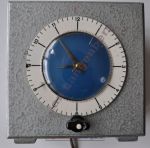
-
Landis"&"Gyr ML230r9.21f6 electricity meter /
Drehstrohmzahler
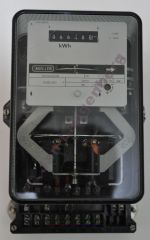
-
Lepaute
Lepaute electric master clock / pendule electrique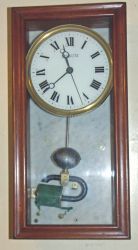
-
Magneta - masterclock
- Mehne - Hauptuhr / masterclock
-
kwh Meter from meterfabriek
Dordrecht
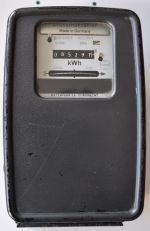
-
Moser Bear - movie on my Youtube channel
Moser Baer on YT -
Novitas
Novitas - S.A. Zurich type M G - Breveté ( time switch / Schaltuhr)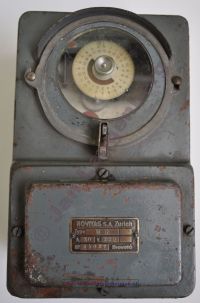
Brevet or Brevete is French for "patent" or "patented"
-
Wagner (movie on Youtube) Hauptuhr / masterclock
-
TN Hauptuhr / masterclock (TeleNorma - Telefonbau und Normalzeit)
-
Siemens masterclock / Hauptuhr
Siemens HU10 clock uhr - movie on my Youtube channel Movie Siemens Hauptuhr HU10 -
Siemens kWh meter / Drehstrohmzahler, 3x230-400V - 10
(30)A
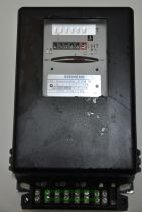
-
Siemens W9 kWh meter / Drehstrohmzahler, 3x230-400V - 10
(30)A
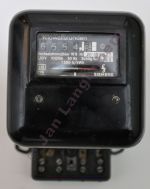
- Inducta Masterclock - hauptuhr - movie on Youtube Inducta Masterclock - hauptuhr on YT
For all of the clocks I'm looking for the manuals and / or user instructions
Back to Homepage
My social media pages:
 |
 |
 |
 |